How to Set Up a Retort Food Processing Line: Equipment, Utilities & Planning Guide
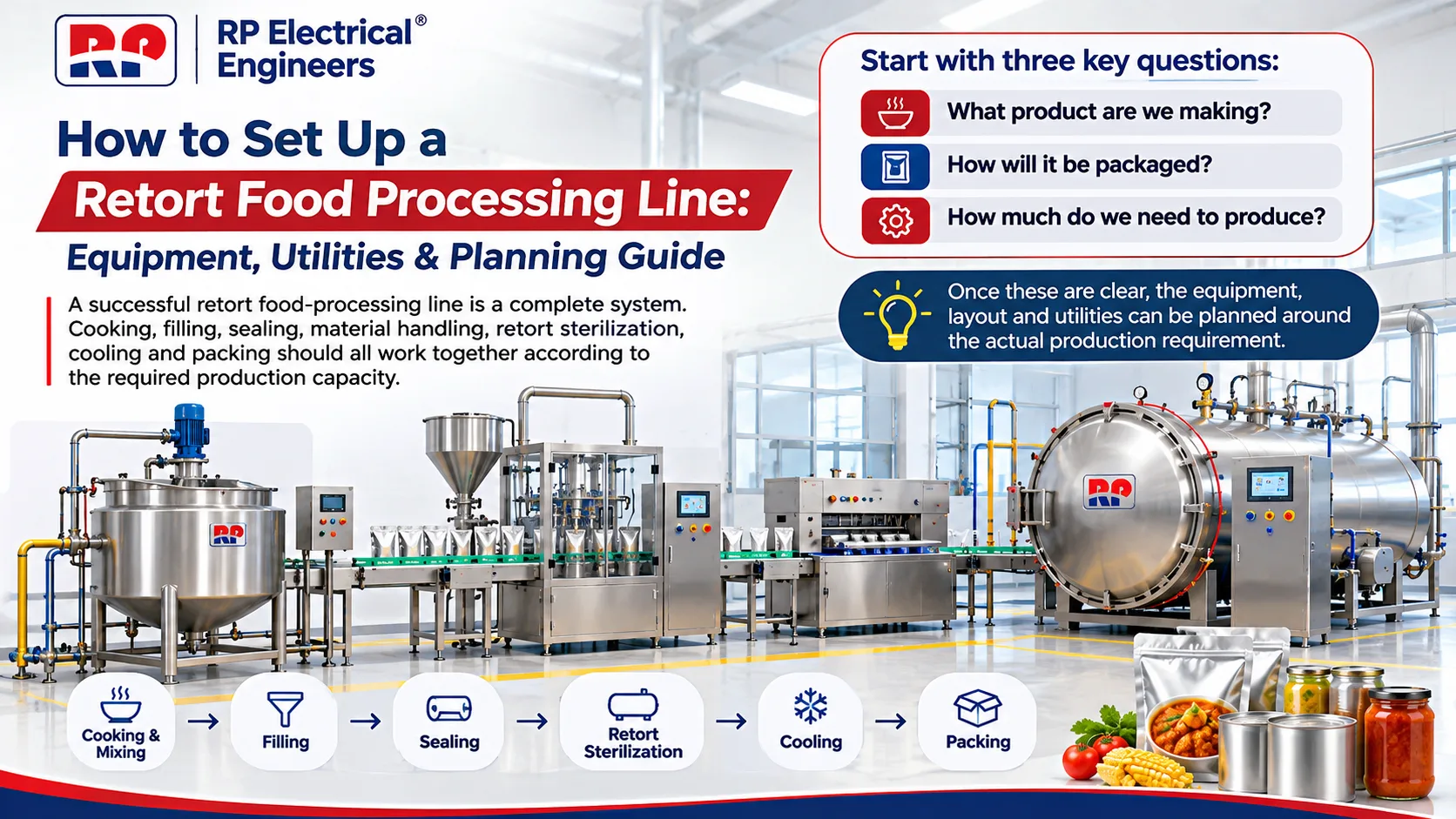
Starting a ready-to-eat or shelf-stable packaged food business requires more than purchasing one retort machine. The entire production flow must work together. A typical retort food processing line can involve raw material, preparation, cooking, filling, sealing, retort processing, cooling, inspection and packing. Planning this workflow correctly can improve production efficiency and make future expansion easier.
Step 1: Define Your Product
Start with the product, not the machine. Identify exactly what you want to manufacture. Examples include dal, curries, gravies, rice, ready-to-eat meals, sweet corn, mushrooms, sauces, soups, meat, seafood and canned vegetables. Different products may require different preparation, filling and retort arrangements.
Step 2: Choose Packaging
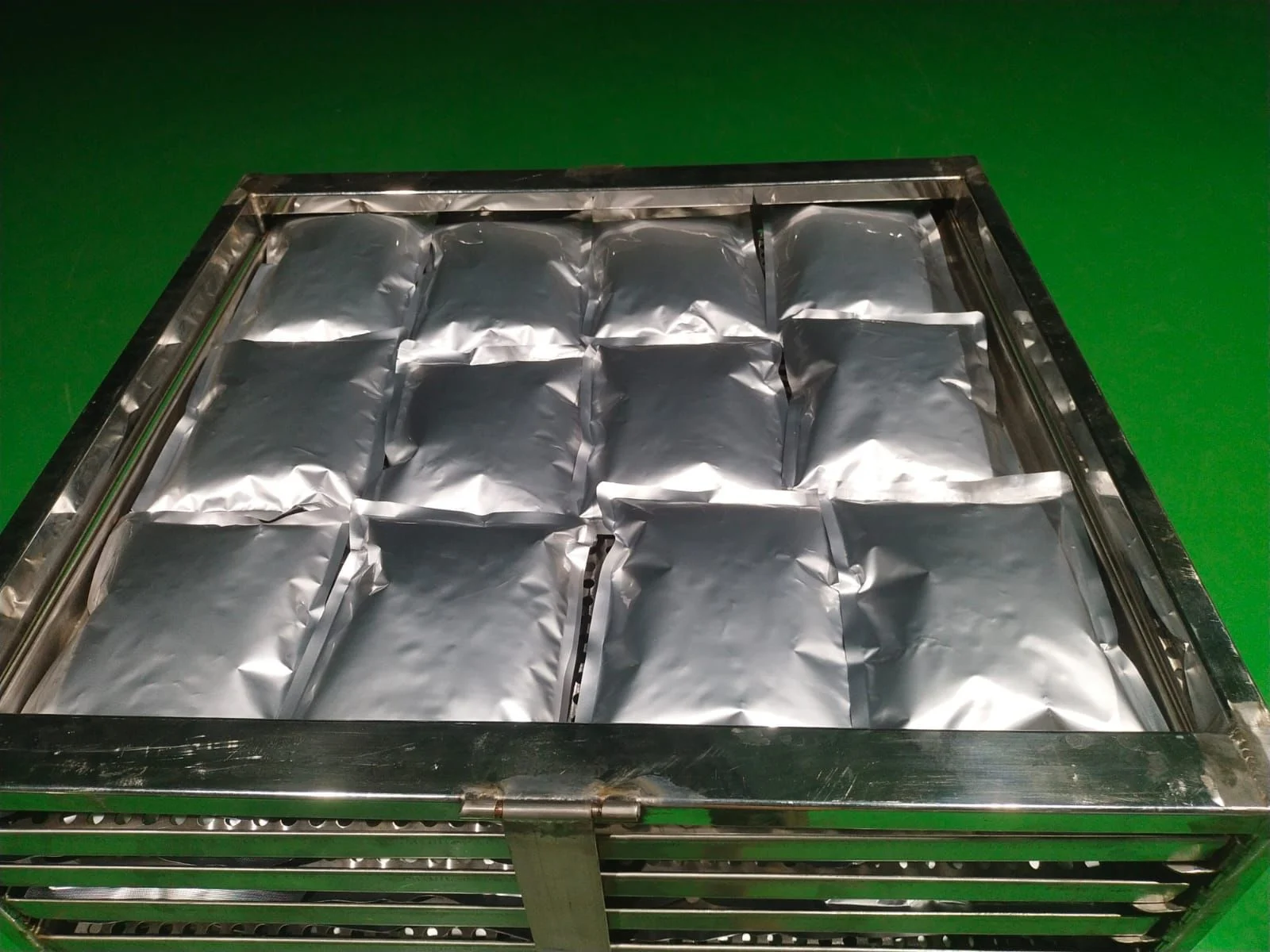
Decide whether your product will use a retort pouch, can, glass jar, PP bottle, tray or other suitable container. Packaging choice can influence filling equipment, sealing equipment, retort type, material handling and secondary packing. Choose packaging early in the project.
Step 3: Calculate Production Capacity
Estimate packs per batch, pack weight, batches per day, daily production, monthly target and number of shifts. A small pilot line and a high-volume commercial plant require very different equipment sizes. Always consider expected growth.
Step 4: Plan Product Preparation
Depending on the food, preparation may require washing, cutting, grinding, mixing, blanching, cooking, frying or preheating. Equipment can include preparation tables, gravy machines, cooking kettles, mixing kettles, pulverizers and tanks. Design the preparation section according to the recipe.
Step 5: Cooking and Mixing
Products such as curry, gravy, dal and sauces may require controlled cooking and mixing before filling. Consider batch size, temperature, mixing speed, tilting or discharge and cleaning requirements. Match the cooking section to the filling capacity so one operation does not become a bottleneck.
Step 6: Filling
After cooking, product is transferred to the filling stage. The filling system depends on product consistency, particle size, pack type, fill weight and required speed. Maintaining consistent fill weight is important for production control.
Step 7: Sealing
Sealing is a critical stage. Depending on packaging, a pouch may use heat sealing, a can may require can seaming, a bottle may require capping and a tray may require tray sealing. Check seal quality regularly; a poor seal can compromise the complete production process.
Step 8: Product Handling
After sealing, packages must move efficiently toward the retort. Depending on production volume, handling may involve conveyors, tables, trolleys, baskets and racks. Good material flow reduces unnecessary handling.
Step 9: Retort Processing
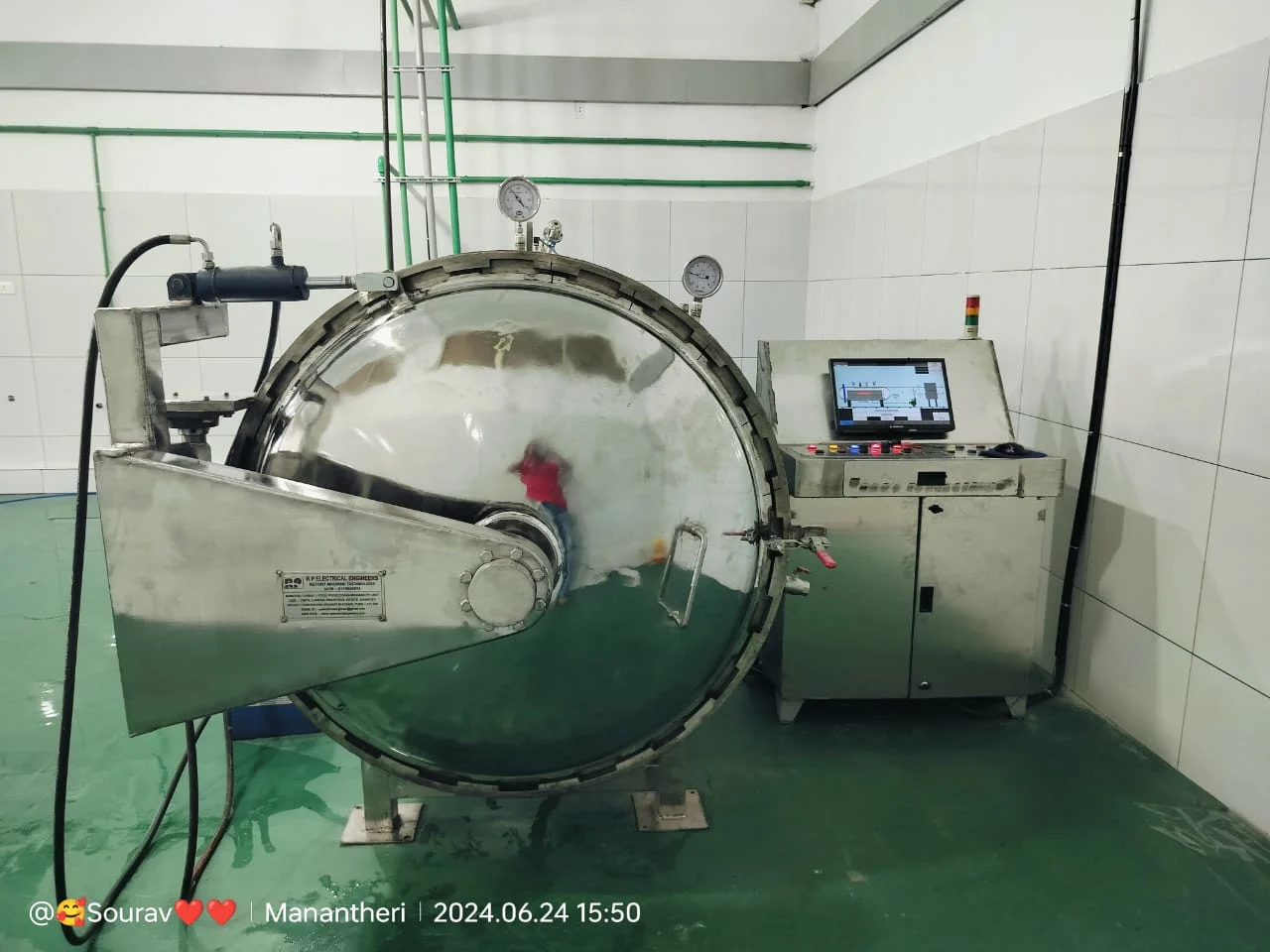
Sealed packages are loaded into the retort machine. Select the retort according to the packaging and product. A pouch retort is suitable for flexible retort pouches; a water spray retort may suit various packaging formats depending on the application; a water immersion retort uses hot-water immersion; and a canning retort is designed around canned-food processing requirements. The thermal process should be properly established for the specific product and package.
Step 10: Cooling
After thermal processing, products are cooled under controlled conditions. Integrate the cooling arrangement into the production flow so packages can move efficiently into inspection and packing.
Step 11: Inspection
Inspect processed packages for leakage, swelling, deformation, seal problems, broken containers and other visual abnormalities. Develop a documented inspection procedure.
Step 12: Labelling and Secondary Packaging
After inspection, products can move to drying, batch coding, labelling, cartoning, shrink wrapping, secondary packing and storage. Plan enough space for finished goods.
Utilities Required
A retort processing line may require several utilities:
- Electricity: Motors, controls, pumps, conveyors, filling machines, sealing equipment and supporting machinery.
- Steam: Cooking, retort heating and other process operations, depending on equipment design.
- Water: Processing, cleaning, cooling and retort circulation.
- Compressed air: Controls or pressure management on some machines and retort systems. Plan compressor capacity for the complete plant.
Plant Layout
A good layout supports logical product movement and avoids unnecessary backtracking. A simple flow is raw material receiving, preparation, cooking, filling, sealing, retort processing, cooling, inspection, packing and finished goods. Separate raw and finished-product movement where practical.
Space Planning
Do not plan only around machine dimensions. Allow space for operators, cleaning, maintenance, baskets, trolleys, service access, utility piping, electrical panels and product movement. Insufficient service space creates problems later.
Automation
Automation may be considered for cooking, filling, conveying, retort cycles, data logging, temperature monitoring, pressure monitoring and batch control. The correct level of automation depends on production volume and budget.
Plan for Expansion
If you expect production to grow, consider additional retort capacity, larger cooking batches, additional filling equipment, more baskets, additional storage and expanded utilities. A layout designed only for today's production can become restrictive later.
Common Plant-Setup Mistakes
- Buying machinery before finalising the product.
- Ignoring packaging type or underestimating utilities.
- Selecting insufficient production capacity.
- Poor equipment placement or not allowing service access.
- Focusing only on the retort and ignoring upstream equipment.
- Leaving no room for expansion or weak material-flow planning.
Equipment Selection
When discussing your project with a machinery manufacturer, provide product details, packaging, pack size, production target, batch size, available plant area, utility details, automation requirements and future growth plans. This helps the engineering team understand the complete requirement.
Retort Food Processing Equipment in Pune
RP Electrical Engineers manufactures a range of food-processing equipment and retort machinery in Pune. Its product portfolio includes retort machines, pouch retorts, canning retorts, water immersion systems, cooking and mixing equipment, conveyors and other machinery used across food-processing applications. A complete project should be planned around the product rather than selecting machines independently.
Conclusion
A successful retort food-processing line is a complete system. Cooking, filling, sealing, material handling, retort sterilization, cooling and packing should all work together according to the required production capacity.
Businesses planning a new RTE or packaged-food unit should begin with three questions: What product are we making? How will it be packaged? How much do we need to produce? Once these are clear, the equipment, layout and utilities can be planned around the actual production requirement.
Explore our retort machines, pouch retort machines, canning retort machines, water immersion retorts and complete product range.
Related RP Electrical Resources
Explore these related solutions and guides from RP Electrical Engineers: