How to Use a Retort Machine in the Food Industry: Step-by-Step Guide
Using a retort machine is a controlled process that starts well before the machine is switched on. Product formulation, package size, filling, sealing and the validated thermal process all affect the safety and quality of the finished food. This guide explains the main operating stages for a food retort machine; always follow the equipment manual and the process scheduled for your specific product and package.
How Does a Retort Machine Work?
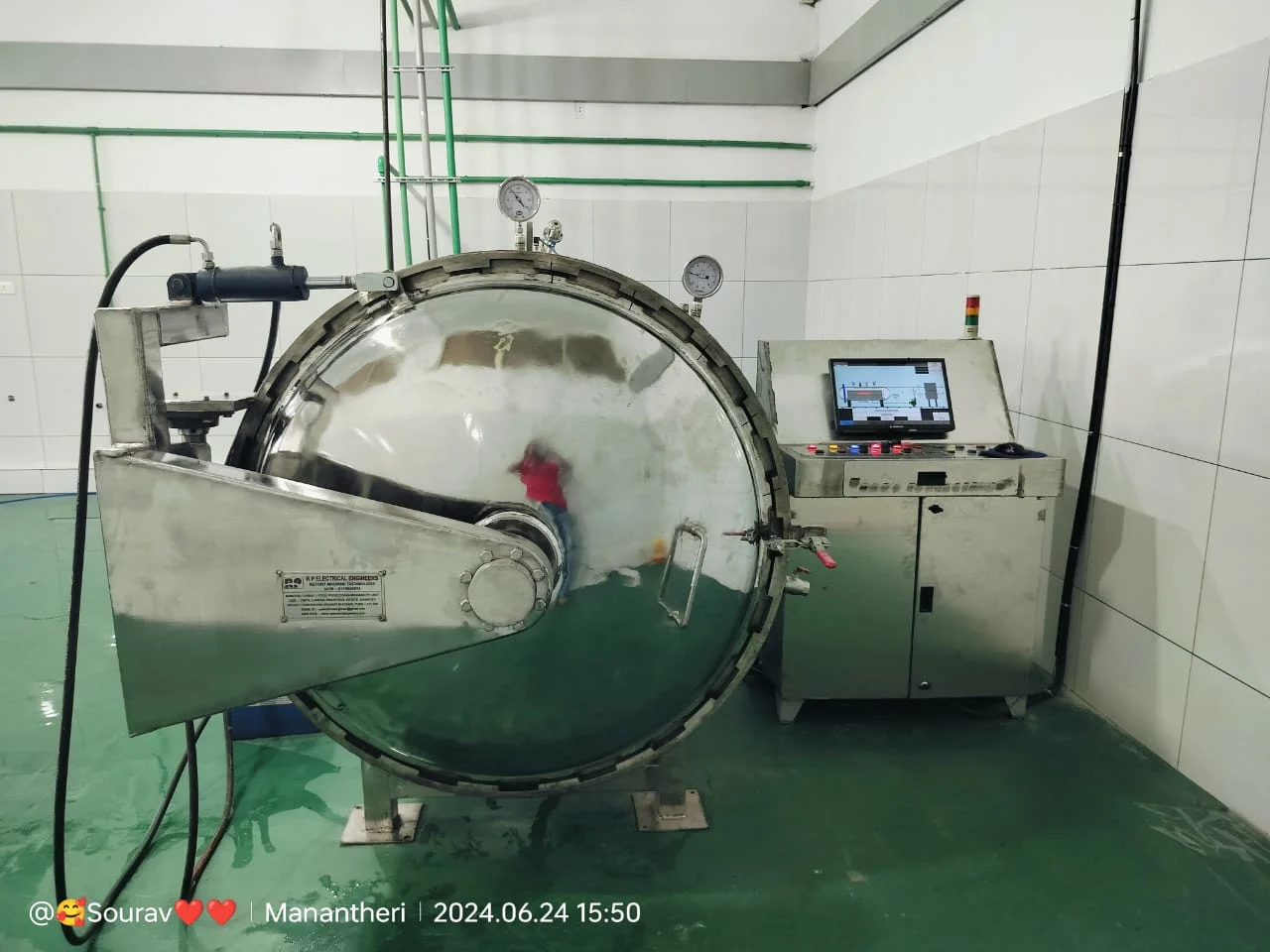
A retort is a pressure-rated chamber used to thermally process food after it has been packed in a hermetically sealed container. Depending on the system, steam or heated water transfers heat to the packs. The machine controls the process temperature and pressure, then cools the packs before they are unloaded.
The retort machine working process is not one universal recipe. Product properties, container material and dimensions, fill weight, loading pattern and equipment design all influence the required process. A qualified process authority must establish and validate the scheduled process for the product and packaging combination.
Step-by-Step Retort Sterilization Process
1. Prepare the Product and Production Area
Prepare the food according to its approved formulation and production instructions. Check ingredient records, batch identification, preparation equipment and hygiene controls before filling. Keep raw and finished product handling appropriately separated, and do not process product that falls outside its approved specifications.
2. Select and Inspect the Packaging
Confirm that the container is designed for retort processing and is compatible with the food and scheduled process. Inspect pouches, cans, jars or bottles for damage, cleanliness and correct specifications. Use the specified sealing materials and settings; an incompatible package or weak seal can compromise the finished product.
3. Fill and Seal Each Pack
Fill to the specified product weight and headspace, keeping the sealing area clean. Seal each package using the approved equipment settings, then check seals and closures according to the plant's inspection procedure. Identify the batch and maintain traceability records.
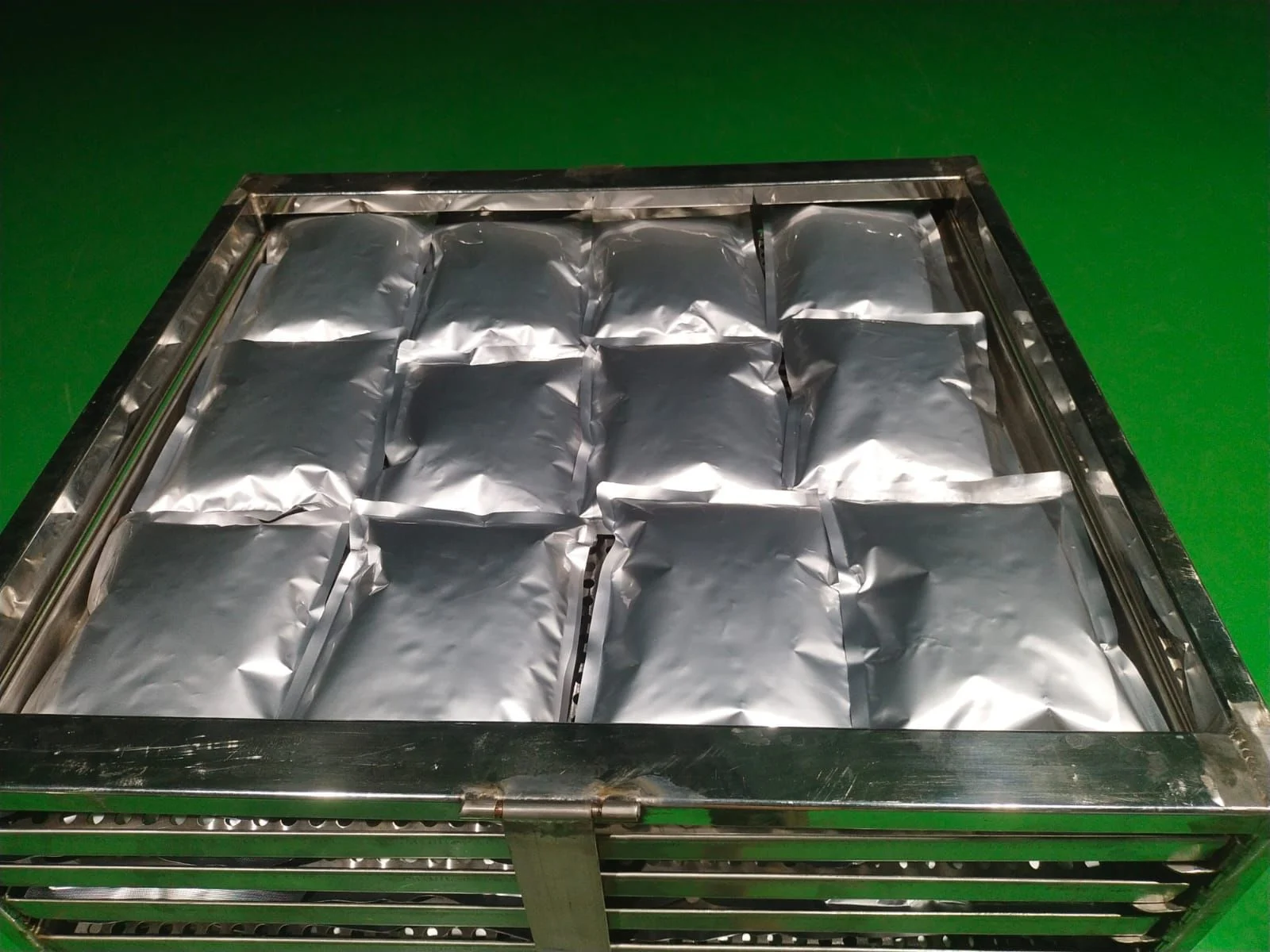
4. Load the Retort Basket Correctly
Arrange packages in the validated loading pattern so that the retort medium can circulate as intended. Avoid overloading, obstructing circulation paths or stacking packs in a way that changes heat transfer. Use the correct racks, trays or dividers for the package type and follow the equipment manufacturer's loading instructions.
5. Check the Retort and Start the Approved Cycle
Before loading or starting a cycle, verify that the chamber, door seal, sensors, valves, safety interlocks and recording instruments are ready. Select the approved product recipe and confirm the batch details. Close and lock the door as directed by the manufacturer. Never bypass a safety interlock or operate a pressure vessel outside its instructions.
6. Run and Monitor the Thermal Process
Start the programmed cycle and monitor the recorded temperature, pressure and process stages. The machine may include venting or come-up, a holding period and other steps defined by the scheduled process. Do not estimate or substitute time, temperature or pressure settings: only the validated process for the specific product, package and retort configuration should be used.
The retort sterilization process must be controlled and documented. If a critical parameter is missed, a cycle alarm occurs or a recording is incomplete, place the affected batch on hold and follow the facility's deviation procedure. Do not release it based on appearance or a single chamber reading.
7. Cool the Packages Under Controlled Conditions
Cool the product using the approved cooling stage and maintain the pressure conditions required to protect the package. Follow the established water-quality and cooling controls. Avoid abrupt pressure release or handling that could damage hot packages or compromise seals.
8. Unload, Inspect and Record the Batch
Unload only after the cycle is complete and the chamber is safe to open, following the machine instructions. Inspect packages for leaks, swelling, broken seals or other defects, and segregate any suspect product. Complete the batch record, including the cycle data, operator, product and lot identification, deviations and inspection results. Release product only through the site's approved review procedure.
Using a Retort Machine for Ready-to-Eat Food
A retort machine for ready to eat food can process suitable sealed products such as meals, curries, sauces and other packaged foods. The right equipment and process depend on the food's formulation and consistency, pack material and dimensions, fill weight, target production volume and required process. A process validated for one meal or package must not automatically be applied to another.
Operator and Equipment Safety
- Ensure operators are trained and authorized for the retort and pressure-vessel procedures.
- Use the required personal protective equipment and keep clear of hot surfaces, steam and pressurized components.
- Check guards, door locks, pressure indicators, temperature sensors and emergency controls according to the maintenance schedule.
- Never open the chamber while it is pressurized or defeat a safety device.
- Keep process records and follow documented procedures for alarms, maintenance and deviations.
Choosing an Industrial Retort Machine
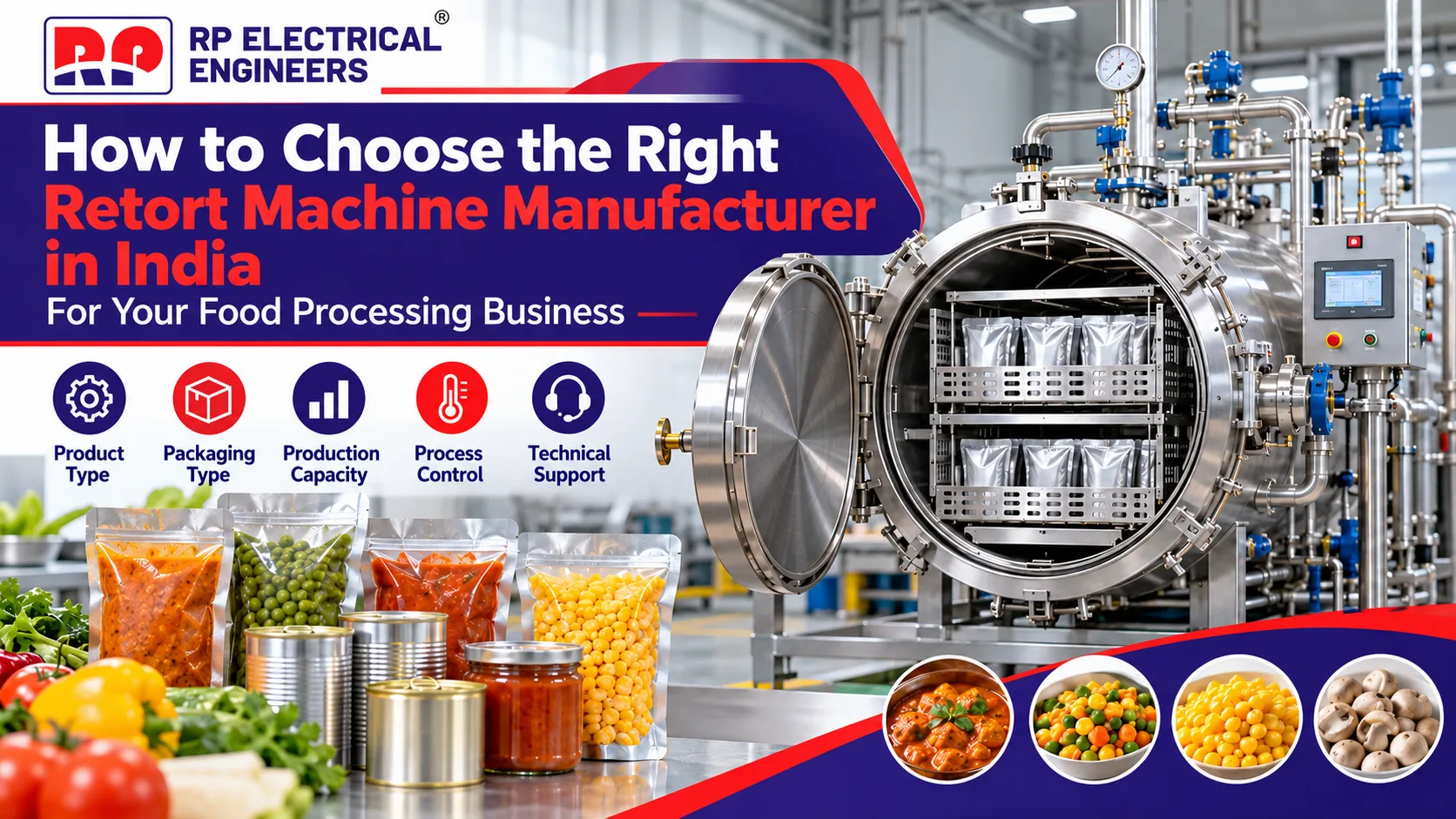
When selecting an industrial retort machine, discuss your product, container type and size, batch capacity, production target, heating and cooling utilities, automation needs and process-recording requirements with the manufacturer. Confirm the machine's intended applications, installation requirements, operator training and after-sales support before purchase.
Food businesses looking for a food processing machine in Pune can contact RP Electrical Engineers to discuss retort configurations for their product and production requirements. Equipment selection supports the process, but does not replace product-specific process validation or food-safety controls.
Frequently Asked Questions
Can I use the same retort settings for different foods?
No. The process must be established for the specific food, package, fill and retort configuration. Get qualified process guidance before changing any product or process parameter.
Can any pouch or bottle be used in a retort?
No. Use packaging designed and verified for the intended retort conditions, and inspect its seals and closures as part of the production process.
What should I do if a cycle alarm occurs?
Hold and identify the affected batch, preserve its records and follow your facility's documented deviation and product-disposition procedure. Do not release the batch without the required technical review.
Conclusion
Safe retort operation depends on more than starting a machine: product preparation, package integrity, loading, a validated thermal cycle, controlled cooling and complete batch records all matter. Use the manufacturer's operating instructions and a qualified process authority's scheduled process for every product and package combination.
Related RP Electrical Resources
Explore these related solutions and guides from RP Electrical Engineers: