Retort Pouch vs Canning Retort: Which Is Right for Your Food Product?
Choosing the right packaging format is an important decision when setting up a shelf-stable food processing line. Two common approaches are retort pouch processing and canned food processing. Both use controlled thermal processing, but their packaging, machine configuration, handling requirements and market applications can differ.
What Is a Pouch Retort Machine?
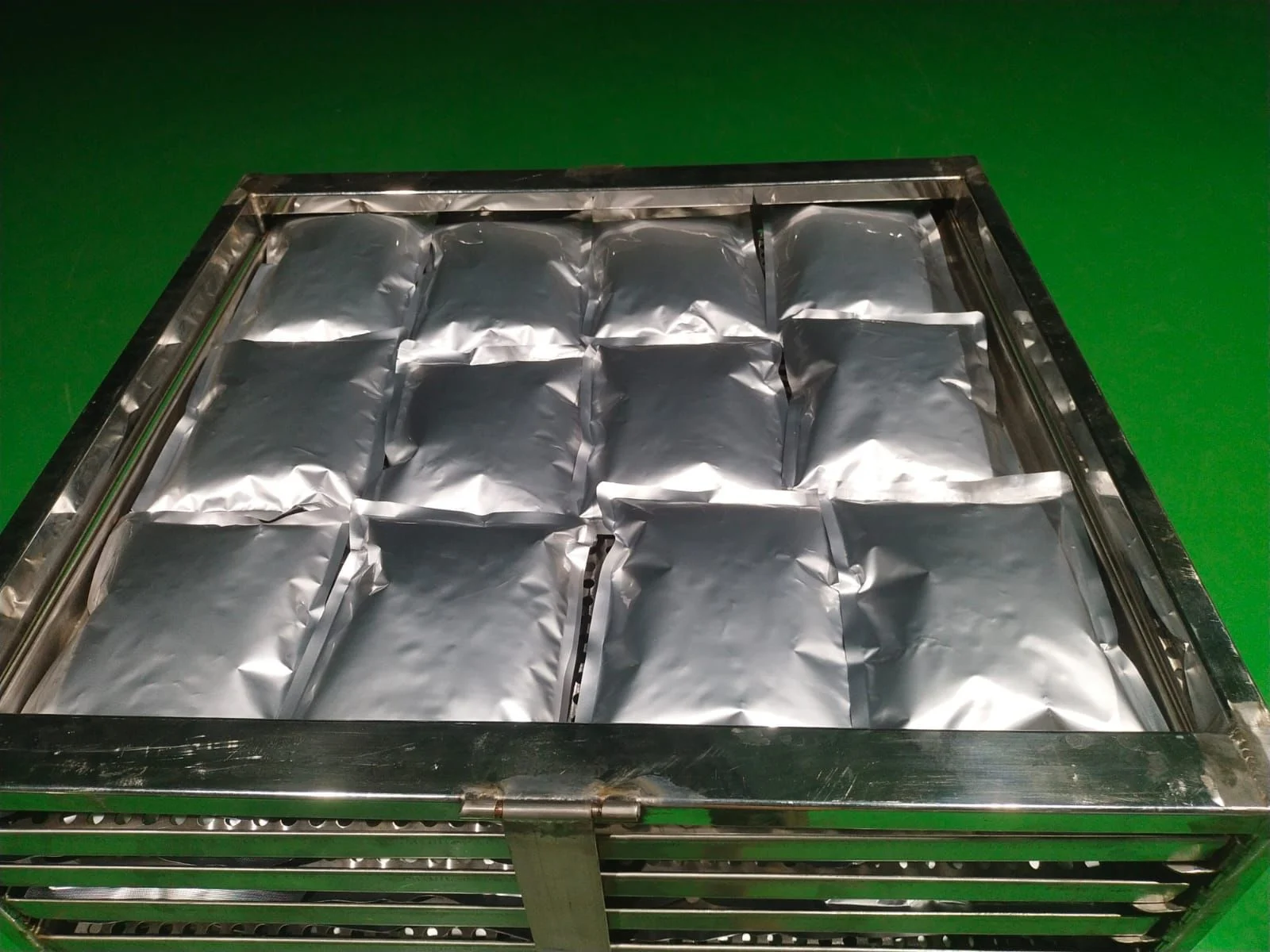
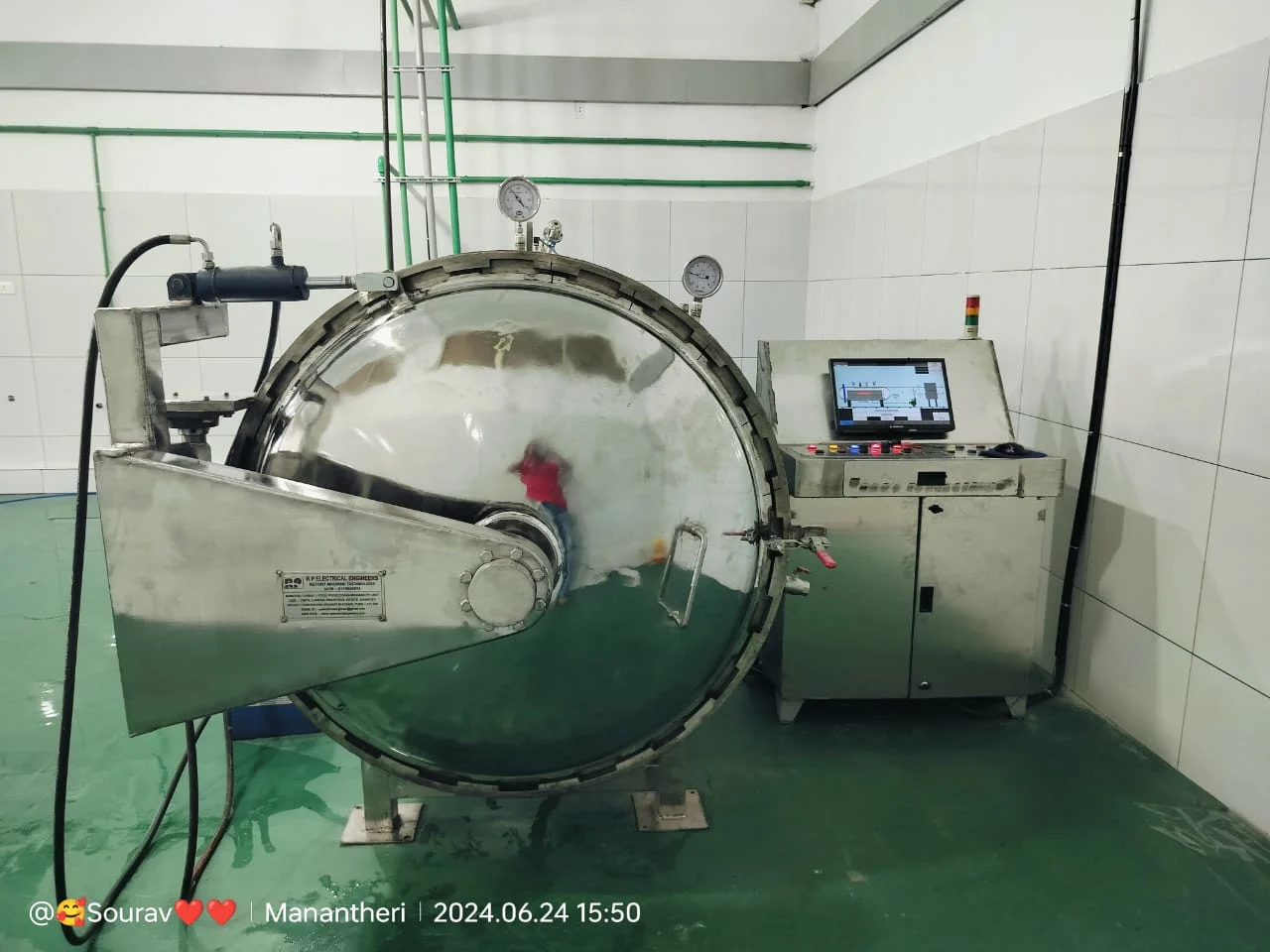
A pouch retort machine is designed for thermal processing of food packed in heat-resistant flexible retort pouches. Common products include curries, dal, gravies, rice products, sauces, ready-to-eat meals, vegetables and meat products. The pouch is sealed before it is processed inside the retort.
What Is a Canning Retort Machine?
A canning retort processes food packed inside metal cans or other suitable rigid containers. Typical applications include sweet corn, mushrooms, fruits, vegetables, tomato products, meat, fish and ready-to-eat canned meals.
Packaging Difference
The biggest difference is the container. Retort pouches are flexible and relatively thin, offering lightweight packaging, less storage space, convenient handling and a modern retail appearance. Because the material is flexible, pressure control is particularly important.
Cans are rigid containers that provide strong physical protection, easy stacking and established consumer acceptance. They can suit many export and institutional markets.
Heat Transfer and Processing
Packaging geometry affects how heat reaches the product. A thin pouch may allow heat to travel through the packaged food differently than a deep can. The actual process also depends on product viscosity, fill weight, container size, particle size, recipe and heating method. Do not assume one process schedule is suitable for both formats; each product and package combination needs its own properly established process.
Product Appearance and Convenience
Retort pouches can offer modern presentation and convenient opening, while cans can provide excellent durability during transportation and warehousing. The right choice depends on the target customer, product positioning, distribution method, export requirements and retail environment.
Equipment Requirements
Pouch Processing Line
A pouch line may include cooking equipment, filling equipment, pouch sealing, inspection, a pouch retort, cooling, drying and packing.
Canning Line
A canning line may include preparation equipment, cooking, filling, can seaming, exhausting where required, a canning retort, cooling, labelling and packing.
Which Is Better for Ready-to-Eat Food?
Many ready-to-eat foods work well with retort pouches because they are compact and convenient. Products may include dal, paneer curries, gravies, biryani, rice dishes and sauces. Cans remain useful for products where rigid packaging is preferred. The right choice depends on the product and market.
Which Is Better for Sweet Corn and Vegetables?
Sweet corn, mushrooms and vegetables can be processed in cans as well as suitable pouch formats. Evaluate desired shelf presentation, export requirements, pack size, consumer preference and production volume before choosing.
Production Capacity and Automation
Before selecting either machine, estimate packs per hour, batch size, daily production, working shifts and future expansion. Do not choose a machine only for current demand if production is expected to grow.
Modern systems may include PLC controls, an HMI interface, temperature and pressure monitoring, batch programs and data logging. Automation can improve repeatability and simplify process monitoring.
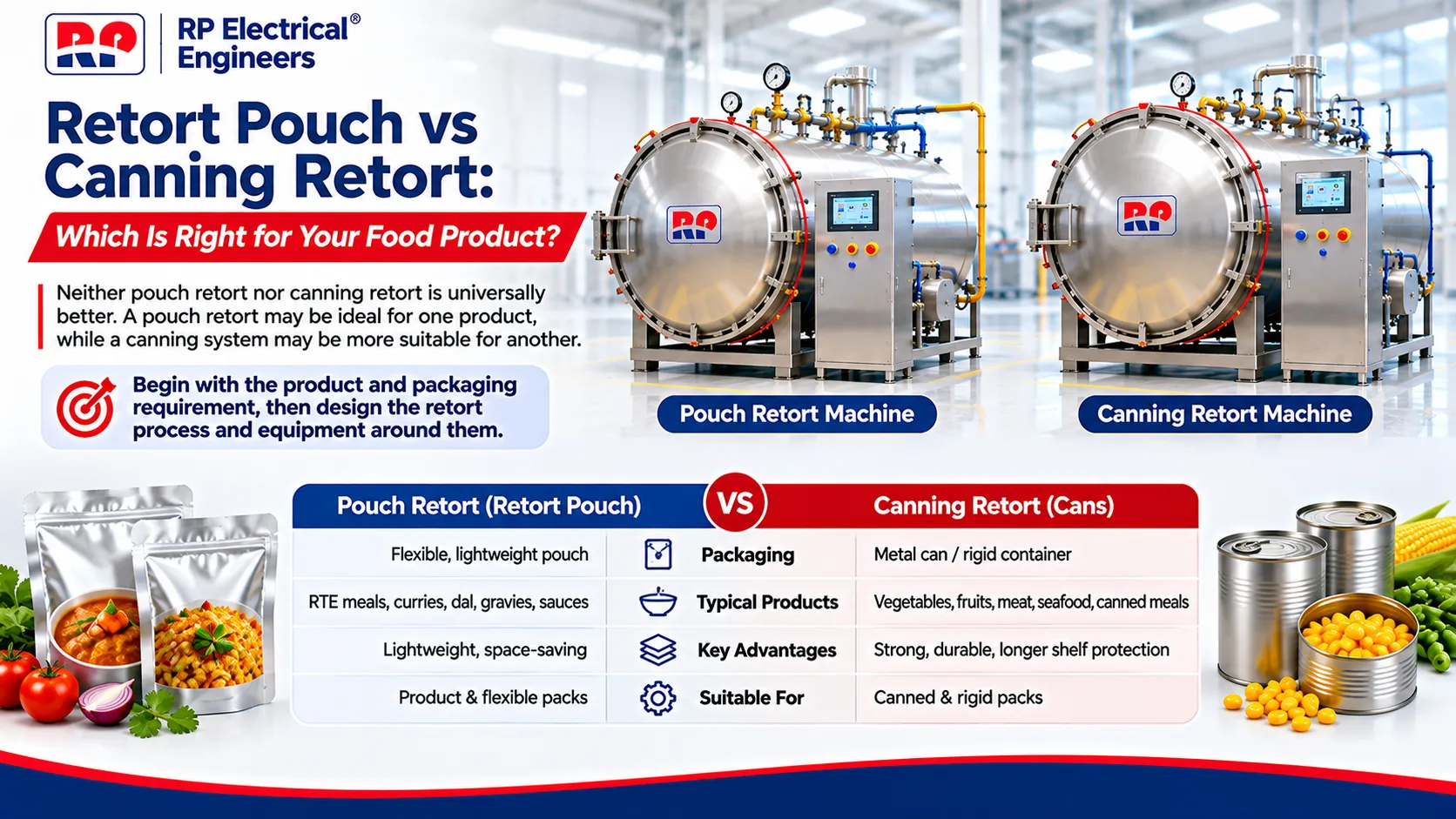
Pouch Retort vs Canning Retort — Quick Comparison
| Factor | Pouch Retort | Canning Retort |
|---|---|---|
| Packaging | Flexible pouch | Metal can or rigid container |
| Typical products | Ready-to-eat meals, dal, curry and sauces | Vegetables, fruit, meat, seafood and canned meals |
| Container weight | Lower | Higher |
| Physical protection | Moderate | Strong |
| Pressure sensitivity | Important | Depends on container and process |
| Retail style | Modern and lightweight | Traditional and durable |
Which Machine Should You Choose?
Choose based on your food product, packaging format, target market, production quantity, distribution method, utilities, automation requirements, budget and future production growth. Do not select a retort solely because one technology appears cheaper; consider the complete production line.
RP Electrical Engineers Retort Solutions
RP Electrical Engineers manufactures pouch retort and canning retort machinery in Pune. Businesses planning a new food-processing line can discuss their product, pack size, packaging material, production capacity and automation requirements before choosing a machine.
Conclusion
Neither pouch retort nor canning retort is universally better. A pouch retort may be ideal for one product, while a canning system may be more suitable for another. Begin with the product and packaging requirement, then design the retort process and equipment around them.
Explore our pouch retort machines, canning retort machines and retort machine range.
Related RP Electrical Resources
Explore these related solutions and guides from RP Electrical Engineers: